
Browse by Theme: Private Sector

2015 is set to be a big year for CARE and other organisations working to end world poverty. So where are we at, where are we going, and what do we need to do to get there?
Read more...
Ten years ago on Boxing Day, the Indian Ocean tsunamis crashed into the shorelines of 14 countries, killing more than 228,000 people and making almost two million more people homeless and bereaved. The scale of the disaster and the speed with which entire towns and communities were swept away was something the modern world had never seen before. This was to change the way we prepare for and respond to crises forever.
Read more...
For some of the world’s frontier markets, such as in Myanmar (formerly Burma), the risks of accelerated growth are that many of the country’s poorest get left behind. But as CARE’s experience creating ‘frontier healthcare’ in partnership with GSK shows, businesses that target social benefits above and beyond their immediate commercial interests are not just making a social investment – it’s good for future business, too.
Read more...
Village Savings and Loan Associations (VSLAs) are a key way to provide access to financial services for people living in areas which financial institutions typically ignore and where the cycle of poverty prevails. They do exactly what their name suggests: provide a way for a group of individuals in any community to save their money and to access loans. But the benefits don’t stop there: later on, VSLAs also serve as an onramp to formal financial services.
Read more...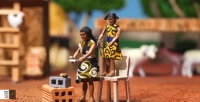
Today CARE has submitted written evidence to the International Development Committee (IDC) of the House of Commons on our peer-to-peer lending network, Lendwithcare. (For a snappier and more entertaining overview of Lendwithcare, see our new Christmas animation.) The IDC is currently looking at jobs and livelihoods and is interested to understand more about the role that a relatively new way of funding micro-enterprises can play in generating growth and jobs in developing countries.
Read more...
The Philippines has been classified by the World Bank as a ‘lower-middle income’ economy. On the surface of things, the Philippines’ economic gains in recent years, and its growing numbers of new middle-class citizens, represent an optimistic narrative. But as the country still struggles to come to terms with the aftermath of Typhoon Haiyan, is this the real story on the ground?
Read more...
Sri Lanka is still only five years free from a long-standing and debilitating civil war, and 10 years since the Tsunami in which 35,000 people lost their lives. But huge changes are taking place in the quest for ‘modernisation’. How will Sri Lanka cope with its transition to a middle-income country? How positive will the process of change be for every Sri Lanka citizen, and how can inclusive growth for all be created in the future?
Read more...